.png)



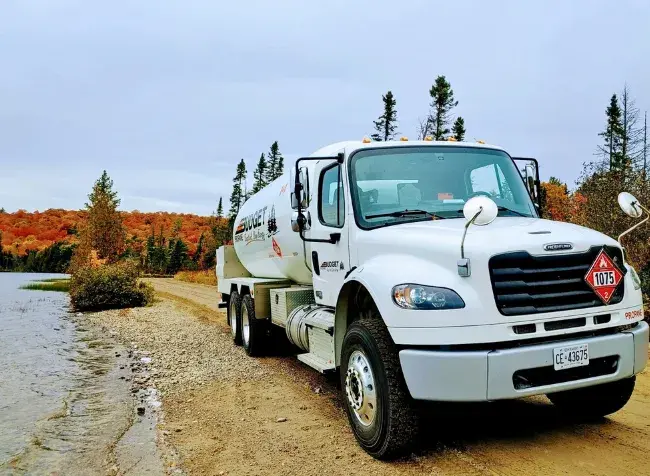
After a summer of weekends at the lake, family gatherings and time spent outdoors, closing the cottage for winter can feel like the official end of cottage season.
But before you lock the door and head home, properly winterizing your cottage can help protect the property, plumbing, heating equipment and propane system throughout the colder months.
For cottage owners across Central Ontario, winter preparation is especially important. Freezing temperatures, heavy snowfall, winter storms and extended power outages can all create problems at a property that may be unattended for weeks at a time.
How Do You Winterize a Cottage
To prepare an Ontario cottage for winter, homeowners should make a plan for their heating and plumbing systems, check their propane supply, prepare the property for snow, secure doors and windows, safely store seasonal equipment and arrange for someone to check the property while they are away.
If your cottage uses propane for heating, hot water, a fireplace, generator or other appliances, your propane supply should also be part of your winterization checklist.
Here are some of the most important things to consider before leaving your cottage for the season.
1. Decide If You Are Keeping the Heat On
One of the first decisions when winterizing a cottage is whether the property will remain heated throughout the winter or be fully winterized.
If your plumbing system remains active, maintaining adequate heat can help protect plumbing from freezing temperatures. Turning the heat off in a cottage that has not been properly winterized can leave pipes and fixtures vulnerable to freezing and bursting.
The Insurance Bureau of Canada recommends leaving the heat on when you're away during winter and having someone check the property regularly. It also recommends maintaining heating equipment and protecting exposed plumbing from freezing.
The appropriate temperature and winterization process will depend on your cottage, plumbing, heating system and insurance requirements.
If you plan to completely shut down the cottage, speak with the appropriate plumbing and heating professionals about properly winterizing the building rather than simply turning the thermostat down.
|
Winter Preparation |
Cottage Staying Heated |
Cottage Fully Winterized |
|
Heating |
Maintain appropriate heat |
Heating may be reduced/shut down as appropriate |
|
Water supply |
Consider shutting off main supply |
Shut off and properly drain/winterize |
|
Plumbing |
Protect from freezing |
Drain and winterize plumbing system |
|
Propane |
Maintain adequate supply for active equipment |
Determine which propane appliances will remain in use |
|
Tank access |
Keep accessible for winter deliveries |
Keep accessible if deliveries/service may be required |
|
Property checks |
Arrange regular checks |
Arrange regular checks |
|
Power outages |
Consider impact on heating systems |
Consider impact on any systems left operating |
2. Shut Off and Winterize Your Water System
Water damage can become a major problem when a cottage is left unattended.
Even when you intend to keep your cottage heated, consider whether the main water supply should be shut off while the property is vacant.
For cottages being completely winterized, the process may also include draining water lines and properly winterizing plumbing fixtures, pumps, water heaters and other equipment that could contain water.
The exact process will depend on your cottage's water system. A seasonal cottage supplied by a lake, for example, can require different winterization steps than a four-season property with a well.
If you're unsure how to properly drain or winterize your plumbing, contact a qualified professional.
Important: Don't assume that keeping the heat on eliminates every freezing risk. A power outage, heating equipment problem or interruption in fuel supply can still leave an unattended cottage vulnerable.
3. Check Your Propane Supply Before You Leave
If your cottage relies on propane for heat, checking your propane level should be one of your most important closing tasks.
A propane heating system can't protect your cottage if there isn't enough fuel available.
Before leaving for an extended period, check your tank level and make sure your propane delivery arrangements reflect how the property will be used throughout the winter.
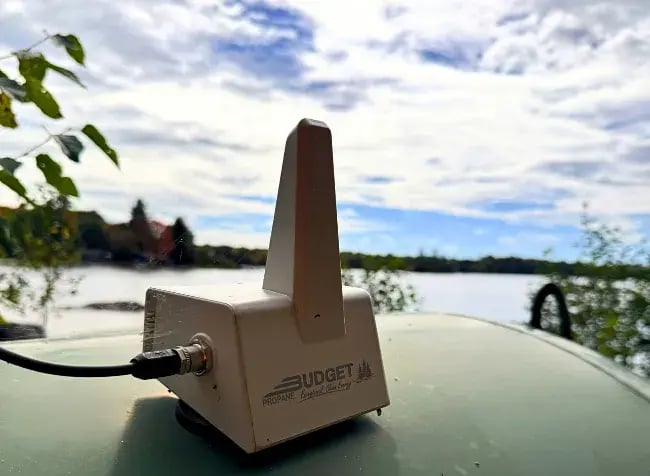
At Budget Propane, we work with cottage owners throughout Central Ontario who may be hours away from their properties during the winter. Depending on your account and service setup, options such as automatic propane delivery and propane tank monitoring can make it easier to manage your fuel supply without being at the cottage.
A propane tank monitor can provide greater visibility into your tank level, while automatic delivery helps take the responsibility of remembering to request each delivery off your winter checklist.
Don’t Wait Until Your Propane Tank Is Almost Empty
Winter isn't the time to discover that your cottage is unexpectedly low on propane.
Snowstorms, difficult road conditions and access issues can make winter deliveries more complicated. Planning ahead gives your propane supplier more time to keep your property supplied.
If your propane consumption has changed—for example, you're keeping the cottage warmer, visiting more frequently or have added a propane appliance—let your supplier know.
4. Make Sure Your Propane Tank Is Accessible
Your propane tank may be easy to reach in July but look very different after a major January snowfall.
Before winter arrives, take a look at the route a propane delivery driver will need to use to reach your property and tank.
Trim back branches and vegetation, remove obstacles and make sure there is a clear path to the tank. Throughout the winter, snow should also be managed so that the tank and delivery route remain accessible.
Avoid piling or plowing snow against your propane tank and equipment.
Your supplier needs safe access to complete a propane delivery. Maintaining that access can be particularly important at rural and waterfront properties where driveways and tank locations can already be challenging.
5. Check Your Heating Equipment and Safety Alarms
Your heating equipment may run for months while you're away, so fall is a good time to make sure it is ready for the heating season.
Have heating equipment serviced according to the manufacturer's recommendations and address known issues before leaving the cottage unattended.
You should also test your:
- Smoke alarms
- Carbon monoxide alarms
- Backup batteries
- Security systems
- Temperature or property monitoring devices
The Insurance Bureau of Canada recommends testing and maintaining smoke detectors and carbon monoxide alarms and ensuring heating sources are properly inspected and maintained as part of winter preparation.
If something isn't working properly in October, it's much easier to deal with compared to a February cold snap.
6. Unplug Appliances You Won’t Be Using
Unplug electrical appliances and devices that don't need to operate while you're away.
However, be careful not to disconnect equipment that is necessary for your winter plan, such as heating equipment, monitoring devices, sump pumps or other systems intended to remain operational.
For propane appliances, follow the manufacturer's instructions when shutting equipment down for the season.
What About BBQ and Patio Heater Propane Cylinders?
Small propane cylinders require proper storage too.
According to Ontario's Technical Standards and Safety Authority (TSSA), propane cylinders in storage should be kept upright and outdoors and protected against tampering, movement, dropping or impact.
Propane cylinders should not be stored inside your cottage, garage or another enclosed building.
Always follow the manufacturer's instructions and applicable Ontario propane safety requirements when disconnecting or storing propane equipment.
7. Prepare the Exterior for Snow and Ice
Winterizing doesn't stop inside the cottage.
Walk around the property and look for anything that could become a problem under snow, ice or strong winter winds.
Depending on your property, your fall checklist might include:
- Putting away outdoor furniture
- Securing docks and waterfront equipment
- Cleaning gutters
- Removing dead or hazardous branches
- Checking the roof and exterior for obvious damage
- Preparing snow-removal arrangements
- Marking obstacles that may disappear under deep snow
- Keeping the propane tank area identifiable and accessible
Remember that winter maintenance can also affect propane deliveries. If a delivery truck needs to enter the property, keeping driveways appropriately maintained is an important part of preparing for winter service.
Ontario Cottage Winterization Checklist
Before leaving your cottage for the winter, consider running through this checklist:
| Area to Check | Before You Leave |
|---|---|
| Heating | Decide whether the cottage will remain heated or be fully winterized |
| Water | Shut off or properly winterize the water system |
| Propane | Check your tank level and confirm delivery arrangements |
| Propane tank | Clear vegetation and maintain safe winter access |
| Driveway | Plan for snow removal and delivery access |
| Power | Prepare for outages and check backup systems |
| Safety | Test smoke and carbon monoxide alarms |
| Appliances | Unplug unnecessary electrical equipment |
| Propane cylinders | Store appropriately outdoors and upright |
| Property | Secure doors, windows, sheds and outbuildings |
| Exterior | Store furniture and prepare for snow and ice |
| Insurance | Review vacancy and property-check requirements |
| Monitoring | Arrange property checks and consider remote monitoring |
A little preparation in the fall can prevent a much larger headache in the middle of an Ontario winter.
Propane Service for Cottages in Central Ontario
Cottages present some unique challenges when it comes to propane delivery. Properties may be remote, homeowners may live several hours away, and access can change considerably between summer and winter.
That's why it's important to plan your propane supply before cottage season comes to an end.
Budget Propane has been serving homes, cottages and businesses across Central Ontario for more than 30 years. Whether your cottage is in Muskoka, Parry Sound, Haliburton or elsewhere in our service area, our team can help you understand your propane delivery options and prepare your account for the winter heating season.
If you're closing the cottage soon, now is a good time to check your propane level, review your delivery arrangements and let us know about any changes to your property or propane use.
Contact Budget Propane to learn more about propane delivery, automatic delivery and tank monitoring for your cottage.
FAQ
Should I turn off the water if I leave my cottage heated?
Many cottage owners shut off their main water supply when leaving for an extended period to reduce the potential consequences of a plumbing failure. Completely winterizing and draining a system involves additional steps, however, so consult a qualified professional if you're unsure what your cottage requires.
Can Budget Propane deliver propane when I'm not at my cottage?
Depending on your account and property setup, you generally don't need to be at the cottage for a routine propane delivery. The property and propane tank do, however, need to be safely accessible to the delivery driver. Contact Budget Propane if you're unsure about the requirements for your property.
Is a propane tank monitor useful for a cottage?
Yes. Tank monitoring can be particularly useful for cottages and seasonal properties because owners aren't always there to check the tank gauge themselves. Monitoring provides additional visibility into propane levels and can help support effective delivery planning.
Can I store BBQ propane tanks in my garage over winter?
Propane cylinders should not be stored inside a garage, cottage or other enclosed building. TSSA advises that stored propane cylinders be kept upright and outdoors in an appropriate location where they're protected against tampering, movement and impact.
Like the article?
Share it with your friends!