.png?width=40&height=40&name=Light%20Bulb%20(40%20x%2040%20px).png)



.webp)
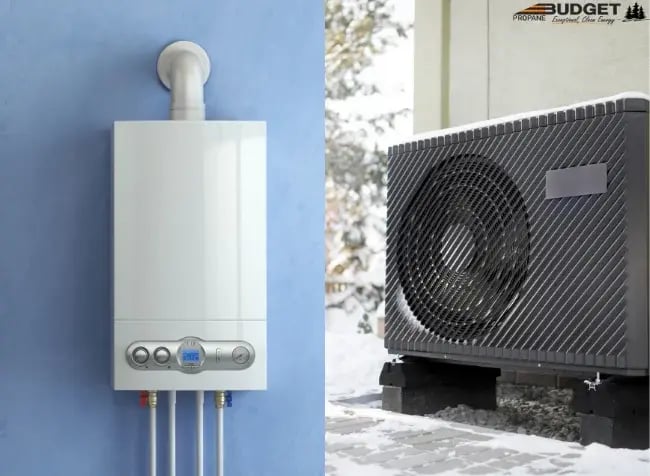
A hybrid heating system combines a heat pump with a propane furnace or boiler. The heat pump provides efficient heating during mild and moderate temperatures, while propane delivers dependable heating capacity during colder weather and periods of peak heating demand. Natural Resources Canada recognizes hybrid heating systems as an approach that can combine the strengths of both technologies, allowing homeowners to use different heat sources under different operating conditions.
Heating systems rarely top anyone's to-do list in the middle of summer. When the weather is warm, it's easy to put off decisions about furnaces, heat pumps, or propane systems until they're needed.
The problem is that the first cold spell is also when heating contractors become busiest and homeowners need answers quickly. Planning ahead gives you time to compare your options, ask questions, and schedule any upgrades before the heating season begins.
Whether you're considering adding a heat pump, replacing an aging furnace, or exploring a hybrid heating system, making those decisions during the summer can help you avoid last-minute stress and ensure your home is ready when temperatures drop.
Why Hybrid Heating Is Gaining Attention in Central Ontario
For decades, homeowners typically chose a single primary heating system for their home. Today, many homeowners are taking a different approach.
Rather than asking whether a heat pump is better than propane, they are asking how the two technologies can work together.
This shift is driven by a simple reality: different heating systems perform best under different conditions.
Heat pumps have become increasingly popular because they can efficiently move heat from outdoor air into a home rather than generating heat directly. Natural Resources Canada notes that modern cold-climate heat pumps can provide heating through much of a Canadian winter while improving energy efficiency compared to traditional electric resistance heating.
At the same time, Central Ontario homeowners still face long heating seasons, significant temperature swings, and periods of extreme cold. In communities such as Gravenhurst, Huntsville, Haliburton, Midland, and Parry Sound, maintaining reliable indoor comfort remains a top priority throughout the winter.
This is where hybrid heating systems are attracting attention.
Rather than relying entirely on a single heat source, a hybrid system allows homeowners to take advantage of the strengths of both a heat pump and a propane heating system.
What Is a Hybrid Heating System?
A hybrid heating system combines:
- A heat pump
- A propane furnace or propane boiler
- Controls that determine which heating source should operate
- Extended heating seasons
- Rural properties with higher heating loads
- Cottage properties that experience intermittent occupancy
- Large custom homes with significant square footage
- Extended periods of cold winter weather
- Frequent thermostat recovery after periods of absence
- Comfort
- Reliability
- Recovery performance
- Energy flexibility
- Long-term operating expectations
The goal is not to make one system replace the other.
Instead, each system is used where it performs best.
The heat pump can provide efficient heating during much of the heating season. When heating demand increases, the propane system provides additional heating capacity to maintain comfort throughout the home.
When Does a Hybrid Heating System Make Sense?
A hybrid heating system may be worth considering if:
- You already have a propane furnace and are considering a heat pump.
- Your property experiences significant winter heating demand.
- You own a rural, waterfront, or cottage property.
- You want to diversify your home's energy sources.
- You are interested in balancing efficiency with long-term heating reliability.
- You are planning a heating system upgrade and want flexibility for future energy choices.
|
Consideration |
Heat Pump |
Propane Heating |
Hybrid System |
|
Primary Energy Source |
Electricity |
Propane |
Electricity and Propane |
|
Best Performance Scenario |
Mild and moderate temperatures |
High heating demand and cold weather |
Uses each system where it performs best |
|
Heating Capacity During Peak Demand |
Equipment dependent |
Consistent |
Consistent with multiple heating sources |
|
Energy Flexibility |
Single source |
Single source |
Multiple energy sources |
|
Suitable for Rural Properties |
Often |
Often |
Often |
The Most Important Thing Homeowners Should Understand
Many heating comparisons focus on which technology is "better."
In our experience, that is often the wrong question.
A better question is:
Which heating technology performs best under the conditions your home experiences throughout the year?
Heat pumps and propane each perform best under different conditions. A hybrid heating system combines the efficiency of a heat pump during moderate weather with the dependable capacity of propane during peak winter demand.
For many Central Ontario homeowners, that balance can provide greater comfort, flexibility, and confidence throughout the heating season.
Why Central Ontario Homes Present Unique Heating Challenges
National heating advice does not always reflect the realities of life in Central Ontario.
Many homes throughout Muskoka, Parry Sound, and Haliburton County face challenges that can influence heating system performance and homeowner expectations.
These may include:
For these types of properties, heating decisions are often influenced by more than simple efficiency calculations.
Homeowners also consider:
Understanding how different heating systems perform under these conditions is one of the key reasons hybrid heating systems have become an increasingly common topic of conversation among Central Ontario homeowners.
Grid Reliability and Rural Properties: An Often-Overlooked Heating Consideration
For many Central Ontario homeowners, heating decisions involve more than efficiency alone.
While urban homeowners may have access to highly reliable electrical infrastructure, rural and cottage properties often face different circumstances. Longer distribution lines, heavily forested areas, remote locations, and severe weather events can all contribute to power outages that may last longer than those experienced in larger population centres.
Many cottage and waterfront properties also have unique operating requirements. Some homes remain unoccupied for portions of the winter, while others depend on heating systems to protect plumbing, building components, and personal property during extended absences.
Because heat pumps rely on electricity to operate, homeowners should consider how their heating system will perform during a prolonged power interruption.
For this reason, many rural property owners evaluate heating systems through a broader lens that includes:
- Heating efficiency
- Comfort and performance
- Energy flexibility
- Backup power options
- Property protection during absences
- Long-term resilience
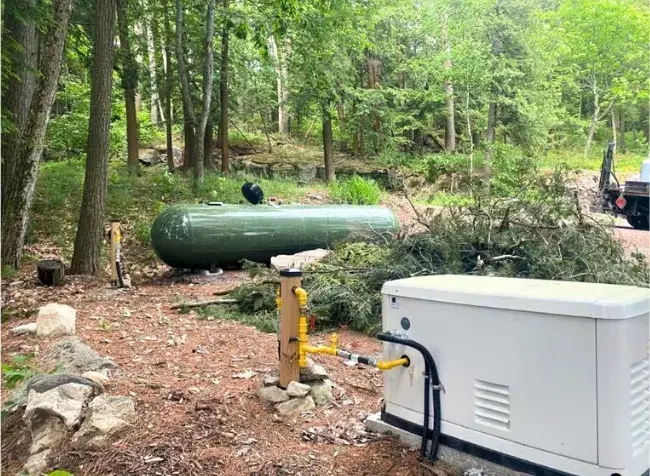
A hybrid heating system can provide additional flexibility when paired with a properly designed backup power solution. Many propane-heated homes already use propane-fuelled standby generators to maintain critical systems during outages, including heating equipment, well pumps, refrigeration, communications equipment, and internet connectivity.
The goal is not to plan for everyday conditions alone. It is to ensure a home remains protected and comfortable during the situations homeowners encounter from time to time throughout a Central Ontario winter.
When evaluating heating options, homeowners should consider both how a system performs during normal operation and how it supports the overall resilience of the property during unexpected events.
Final Thoughts
For many Central Ontario homeowners, the question is no longer whether a heat pump or propane is the better choice. The more useful question is how each technology can contribute to a comfortable, reliable, and resilient home.
Heat pumps and propane each perform best under different conditions. A hybrid heating system combines the efficiency of a heat pump during moderate weather with the dependable capacity of propane during peak winter demand.
For rural homes, waterfront properties, cottages, and year-round residences across Muskoka and Central Ontario, that combination can offer a practical balance of efficiency, comfort, flexibility, and long-term heating performance.
Whether you're replacing an aging furnace, building a new home, or adding a heat pump, Budget Propane is here to support your project with dependable propane service and experienced local advice.
Get in touch today to discuss your propane needs and discover why homeowners across Central Ontario trust Budget Propane.
Frequently Asked Questions
Should I keep my propane furnace when installing a heat pump?
In many cases, yes. Existing propane furnaces can often be integrated into a hybrid heating system, allowing homeowners to benefit from efficient heat pump operation while retaining dependable heating capacity during periods of higher demand. Keeping an existing propane system may also reduce installation costs compared to a complete heating system replacement.
Are hybrid heating systems a good option for rural and waterfront properties?
Many rural and waterfront property owners choose hybrid heating because it provides flexibility. Properties in Muskoka, Haliburton, Parry Sound, and surrounding areas often experience longer heating seasons, greater exposure to severe weather, and occasional power outages. A hybrid system allows homeowners to combine the benefits of electric heating technology with the reliability of residential propane.
What should homeowners consider when choosing a heating fuel?
Selecting a heating fuel involves more than comparing efficiency ratings. Homeowners should consider comfort, heating capacity, property location, energy availability, long-term operating expectations, and resilience during extreme weather. For many Central Ontario properties, propane remains a practical heating fuel because it can be stored on-site and delivered even in areas without access to natural gas infrastructure.
Can a propane generator support a hybrid heating system during a power outage?
Many homeowners pair hybrid heating systems with propane-fuelled standby generators. A properly sized generator may help maintain critical systems during an outage, including heating equipment, well pumps, refrigeration, internet connectivity, and other essential household functions. This can be particularly valuable for rural homes, seasonal properties, and cottages that require ongoing freeze protection during winter.
How do I choose between propane suppliers in Central Ontario?
When evaluating propane suppliers, homeowners should look beyond fuel pricing alone. Factors such as delivery reliability, emergency service availability, local experience, equipment support, and familiarity with rural and cottage properties can all influence the overall customer experience. Working with a propane supplier that understands the unique heating needs of Central Ontario homeowners can help ensure reliable fuel supply and long-term system performance.
Like the article?
Share it with your friends!


.webp)
.png)