.png)



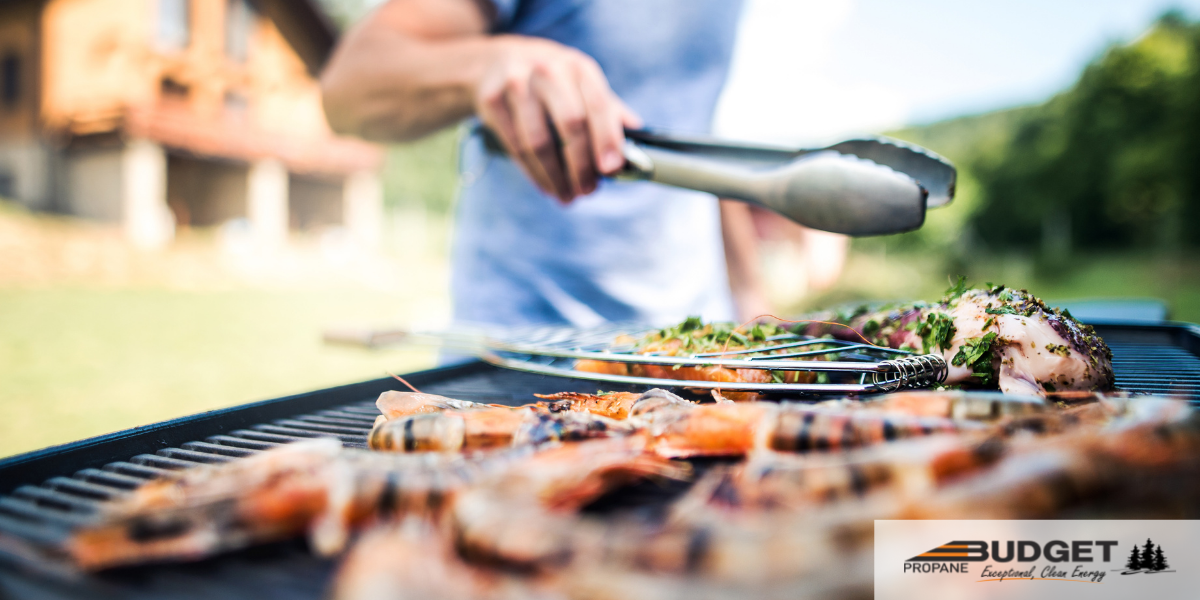
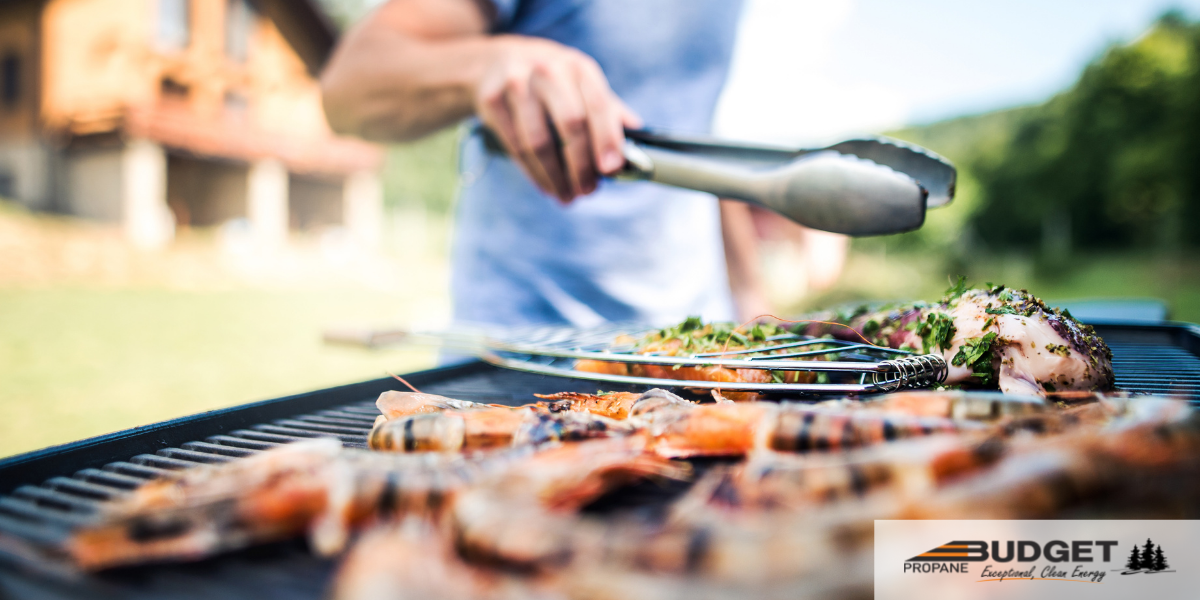
Propane BBQs are safe and convenient when used properly. Before grilling, inspect hoses and connections, test for leaks, clean burner ports, and ensure the barbecue is used outdoors in a well-ventilated area. Following basic propane BBQ safety practices from The Canadian Propane Association can help prevent fires, gas leaks, and equipment damage while ensuring a safe grilling season.
One of the favourite things of spring and summer is getting outside to enjoy the great weather with a meal hot off the BBQ. If you haven't already done so, I'm sure it's on your mind to get your BBQ cleaned up of winter dust and debris, so that you can get grilling.
While propane barbecues are fast, clean and convenient, they do require some maintenance and a few basic precautions. A little extra care and these few simple tips should ensure the safe operation of your BBQ this season.
Getting Your BBQ Ready
1. Clean Your BBQ Inside & Out: check the burner ports are free of rust, dirt and debris by cleaning them with a wire or pipe cleaner.
2. Check Connections: inspect the hose leading from the tank to the burners and replace if you see any sign of damage.
3. Test for Leaks: apply a 50:50 solution of water and dish soap to the propane cylinder connections and hoses to check for leaks. If bubbles appear tighten the connections or replace the part and retest. Never use matches or lighters to check for leaks. A service technician can help if you are concerned about a leak.
Dont's
- Barbecues are approved for outdoor use only. They emit carbon monoxide (CO), a colourless, odourless gas that is dangerous in enclosed spaces. Never barbecue in a garage, tent or other enclosed space.
- Don't leave the BBQ unattended.
- Don't allow grease to build up on the burners or at the base of the barbecue.
- Don't throw water on a grease fire as this will spread the flames.
- Don't use lighter fluid or accelerants on the grill.
- Don't store or place spare cylinders near the barbecue or other sources of ignition.
- Don't store or use a BBQ on your apartment balcony unless authorized.
Do's
- Keep children and pets away from the barbecue.
- Position your barbecue away from wooden fences or walls.
- Ensure that the area around your BBQ is free from combustible materials.
- Follow safe practices to turn on and turn off your barbecue.
Steps to Turn On or Turn Off Your Barbecue
Turning On Your BBQ
- Open the lid.
- Open the propane cylinder service valve.
- Turn on grill/burner valves or heat settings.
- Take a step back.
- Push the ignite button. If there is no ignite button, insert a long match or barbecue lighter through the side burner hole first, then turn on the heat control knob.
- If the burner doesn't ignite right away, turn the gas off and wait 5 minutes, keeping the lid open before repeating the process.
Turning Off Your BBQ
- Turn gas valve off first when finished, then turn off the burner controls os no gas gets left in the connector hose.
- All the barbecue to cool completely before closing the lid or covering.
With these few simple precautions you'll ensure the safe and enjoyable operation of your backyard barbecue.
For more information about residential propane service, give Budget Propane Ontario a call at (888) 405-7777 Have an enjoyable and safe barbecue season!
FAQs
Why won't my propane BBQ light?
Common causes include an empty propane cylinder, a closed tank valve, clogged burner ports, damaged ignition components, or an activated regulator safety device. Always follow the manufacturer's lighting instructions and wait at least five minutes before attempting to relight after a failed ignition.
How often should propane BBQ hoses be replaced?
Propane hoses should be inspected before each grilling season and replaced if they show signs of cracking, brittleness, wear, or damage. Always use replacement parts approved by the manufacturer.
Is it safe to leave a propane tank connected to a BBQ?
Yes, provided the equipment is in good condition and the cylinder valve is turned off when the barbecue is not in use. Regular inspections and leak testing are recommended.
Can propane BBQs be used in winter?
Yes. Propane BBQs can operate year-round, although cold temperatures may reduce propane vaporization rates and cooking performance. Keeping the cylinder clear of snow and ensuring proper ventilation is important.
What are the benefits of cooking with propane?
Propane BBQs offer fast heat-up times, precise temperature control, consistent cooking performance, and fewer emissions compared to charcoal grilling.
Like the article?
Share it with your friends!


.jpg)